Chamberlayne Road house clearance Queens Park local guide
Posted on 14/10/2026
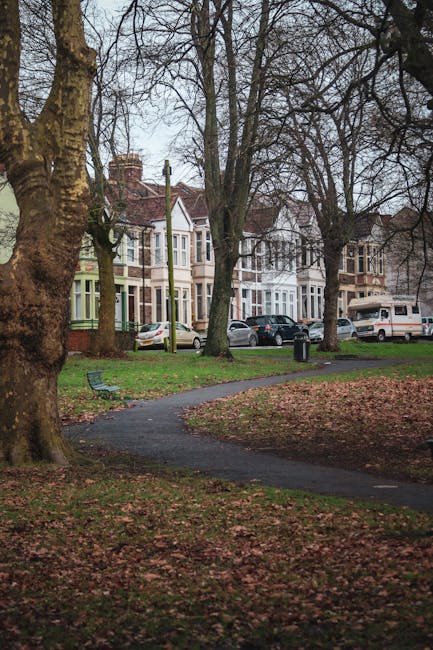
Chamberlayne Road House Clearance Queens Park Local Guide
If you are planning a Chamberlayne Road house clearance Queens Park local guide search, you are probably dealing with one of those jobs that looks simple at first and then quickly turns into a full-day puzzle. Rooms fill up, lofts surprise you, and the little bits of life - books, broken chairs, old paperwork, random cables - seem to multiply overnight. To be fair, that is exactly why a good local guide matters.
Chamberlayne Road sits in a part of North West London where access, parking, building layouts, and neighbour considerations can affect how a house clearance runs. This guide walks through what a house clearance actually involves, how the process tends to work in Queens Park, what to expect from a reputable service, and how to avoid the common mistakes that can cost time, money, and patience. If you want a practical, local-first explanation rather than sales fluff, you are in the right place.
We will also look at timing, legal and environmental responsibilities, helpful prep steps, and how to judge whether you need a full clearance, a partial clearance, or a mixed service such as general waste removal or furniture removal. It is the sort of detail people usually wish they had before the first box is lifted.
- Why Chamberlayne Road house clearance Queens Park local guide matters
- How the clearance process works
- Key benefits and practical advantages
- Who this is for and when it makes sense
- Step-by-step guidance
- Expert tips for better results
- Common mistakes to avoid
- Tools, resources and recommendations
- Law, compliance, standards, or best practice
- Options, methods, or comparison table
- Case study or real-world example
- Practical checklist
- Conclusion
- Frequently asked questions
Why Chamberlayne Road house clearance Queens Park local guide Matters
House clearance is not just about "getting rid of stuff". In a street like Chamberlayne Road, it often means managing a property carefully, keeping disruption low, and making sure items are removed responsibly. If you are dealing with a sale, a tenancy change, a bereavement, a renovation, or a long-overdue declutter, the local context changes the job quite a bit.
Queens Park has a mix of Victorian and Edwardian homes, converted flats, terraces, and period properties with narrow staircases, limited storage space, and the occasional awkward basement or loft. That matters. A clearance team may need to think about access, loading space, stair protection, and how to work without blocking the road or upsetting neighbours. You notice these things more in London, especially on a busy day when parking is already at a premium.
This is also a practical decision-making issue. A well-run house clearance can save hours of sorting, reduce stress, and prevent useful items from being binned by mistake. A poorly planned one can feel chaotic. Boxes end up everywhere, the "keep" pile becomes the "maybe" pile, and suddenly nobody knows what is meant to go. Seen it plenty of times.
There is another reason this matters locally: different properties call for different approaches. A small flat near Chamberlayne Road may need a fast, discreet visit, while a larger family home might need a phased clearance with more sorting. The more clearly you understand the process, the easier it is to choose the right service and avoid paying for work you do not actually need.
Expert summary: In Queens Park, the best house clearances are usually the ones that balance speed with care. Good access planning, sensible item sorting, and responsible disposal make a bigger difference than most people expect.
How Chamberlayne Road house clearance Queens Park local guide Works
A house clearance usually follows a fairly simple structure, but the detail matters. The first step is a survey or an initial discussion. This can be done in person or by phone/photos, depending on the size of the property and how much sorting is needed. A reliable provider will want to understand what is being cleared, what needs to stay, whether there are any heavy items, and whether there are time constraints.
After that comes planning. On Chamberlayne Road, planning often includes parking, building access, stairwell movement, and whether the clearance needs to be timed around residents, tradespeople, or estate agents. If a van cannot stop conveniently, every trip becomes slower. Small detail, big impact.
On the day, the team should separate items into sensible categories: furniture, reuseable goods, recycling, general waste, and anything that needs special handling. Good operators do not just sweep everything into one pile. They think about what can be reused or recycled first. If you want to understand the broader operational side, the services overview gives a helpful picture of how the different clearance services fit together.
For many homes, the process finishes with a quick sweep-through, visible waste removal, and a check that the agreed rooms are empty. If there are items being kept back, they should be left neatly aside and not mixed into the outgoing load. That sounds obvious, but let's face it, "obvious" has a funny way of disappearing in the middle of a busy clearance.
Sometimes the job is not a pure house clearance at all. It might include bulky rubbish, old office furniture from a home office, garden waste from a tidy-up, or builder's debris after a refurbishment. In those cases, it helps to understand the related service categories, such as rubbish collection in Queens Park or builders waste disposal in Queens Park.
Key Benefits and Practical Advantages
The obvious benefit is getting the property cleared. But the real value is broader than that.
- Less stress: You are not left trying to coordinate disposal, lifting, sorting, and transport all at once.
- Time saved: What might take a household several weekends can often be handled in one planned visit.
- Better item recovery: A structured clearance gives you a better chance of finding documents, valuables, sentimental pieces, or items to donate.
- Cleaner handover: This is especially useful if the property is being sold, let, renovated, or prepared for viewings.
- More responsible disposal: Reuse and recycling can reduce what ends up in general waste.
- Less physical strain: Heavy lifting, awkward staircases, and dust are not everyone's idea of a relaxing afternoon.
There is also a quieter benefit that people only realise afterwards: clarity. Clearing a space can help you make decisions more calmly. Once the obvious clutter is gone, the property feels more manageable. You stop reacting to the mess and start seeing the actual room again. That can be surprisingly relieving, especially after a bereavement or a long period of delay.
For landlords, agents, and homeowners, a reliable clearance can also support faster next steps. In a local area like Queens Park, where properties tend to move through the market quickly when presented well, that matters more than people sometimes admit.
Who This Is For and When It Makes Sense
Not every situation needs a full house clearance, and that is worth saying plainly. Sometimes a partial clearance is enough. Sometimes a simple rubbish removal visit is the smarter option. The key is matching the service to the reality of the job.
This kind of clearance makes sense if you are:
- preparing a property for sale or rent
- handling probate after a bereavement
- moving out and need to leave the place empty
- dealing with years of accumulated items
- renovating and need rooms cleared before work starts
- helping a relative downsize
- clearing a loft, garage, cellar, or storage-heavy room
It also makes sense when access is awkward or the amount of waste is too much for normal household disposal. On Chamberlayne Road, a property with narrow hallways and restricted parking can turn a weekend of lifting into a much bigger headache. Why put yourself through that if you do not have to?
There are cases where you should slow down and think first. If items may have resale value, sentimental value, or legal significance, sort them before anything is removed. That sounds like common sense, but in a fast-moving clear-out, common sense can get buried under a pile of old magazines and a stubborn wardrobe.
Step-by-Step Guidance
Here is a practical way to approach a Chamberlayne Road house clearance without losing control of the process.
- Define the goal. Decide whether you want the whole property cleared, only selected rooms emptied, or just bulky items removed.
- Walk through the property. Check lofts, cupboards, under-bed storage, sheds, and hall cupboards. The hidden spots are often where the work hides.
- Separate priority items. Set aside documents, keys, jewellery, photos, medication, and anything legal or sentimental.
- Choose the right service scope. A general clearance, waste removal, furniture removal, or a mixed approach may be more efficient than one-size-fits-all.
- Ask about access and parking. Mention stairs, loading distance, time restrictions, or any controlled parking arrangements.
- Confirm sorting expectations. Check whether the provider will reuse, recycle, or dispose of items in separate streams.
- Agree what is excluded. Certain items may need special handling or separate discussion, such as hazardous materials or large appliances.
- Book a realistic timeslot. Rushed jobs can create mistakes. A little breathing room goes a long way.
- Be present if needed. If you are unsure about items, being on site can prevent confusion and keep decisions quick.
- Do a final room check. Before the team leaves, make sure the keep pile is intact and the agreed areas are empty.
A useful tip: take quick phone photos of rooms before the work begins. Not glamorous, no. But very handy if you need to confirm what stayed, what went, or what was meant to be sorted later.
If you are still comparing services, it can help to review the company's approach to pricing and what is usually included in the quote. The page on pricing and quotes is a sensible place to start if you want to understand how estimates are typically handled.
Expert Tips for Better Results
The difference between a smooth clearance and a stressful one often comes down to preparation. Not perfection. Just a bit of order before everyone starts carrying things downstairs.
Tip 1: Label your priority zones. Use simple labels like "keep", "dispose", and "unsure". It sounds basic, but it stops family members or helpers from second-guessing every item.
Tip 2: Clear access first. Hallways, landings, and entrance areas should be free of trip hazards. If the path is clear, the job moves faster and safer.
Tip 3: Watch for mixed-value rooms. A room can contain a broken sofa, a useful lamp, and a box of paperwork all at once. Don't let one obvious bit of rubbish distract you from the smaller useful items.
Tip 4: Keep the weather in mind. A damp afternoon, a wet pavement, and a narrow street can slow a job right down. London has a way of making a simple clearance slightly more interesting.
Tip 5: Ask about recycling routes. Responsible operators should aim to reduce waste where they can. If sustainability matters to you, make that clear up front and check how they handle reusable items. You can also read more about the company's approach on the recycling and sustainability page.
Tip 6: Keep communication very plain. "These three shelves stay, the rest go" is better than a vague "sort the room out". Clear language avoids headaches later.
Tip 7: Don't overload the day. If you are also changing locks, meeting agents, or cleaning, avoid cramming every task into the same hour. A clearance already has enough moving parts.
And one more thing. If you are dealing with a property full of memories, it is normal to feel slower than expected. That is not being inefficient. That is being human.

Common Mistakes to Avoid
Most clearance problems are preventable. A few common errors show up again and again.
- Not checking the loft, shed, or storage spaces. Hidden storage areas often contain the bulk of the job.
- Mixing keep items with dispose items. Once that happens, you create extra sorting work and extra risk.
- Underestimating access issues. Parking, stairs, and carrying distance can change timings significantly.
- Leaving the decision-making until the last minute. Sentimental items need time and attention.
- Assuming all waste is handled the same way. Some materials require different treatment or separate arrangements.
- Choosing purely on price. Cheapest is not always best if it leads to poor communication or sloppy handling.
- Forgetting neighbours and shared access. In a busy street, considerate scheduling matters more than people think.
A smaller mistake, but a common one, is not asking what happens to the items after collection. If you care about reuse, donation, or recycling, say so. That is not being fussy. It is just being clear.
You may also want to avoid assuming every item can go in one visit. Some properties need a phased approach. A first pass for obvious waste, a second for final sorting, then a final sweep. Clunky? Sometimes. Effective? Absolutely.
Tools, Resources and Recommendations
You do not need a van-load of specialist kit to prepare for a house clearance, but a few basic tools make the whole thing calmer and safer.
- Labels or sticky notes: for keep, donate, recycle, and dispose piles.
- Strong bags and boxes: especially for paperwork, smaller objects, and fragile items.
- Marker pen: useful for marking boxes and room labels.
- Phone camera: for before-and-after records and to check what was in each room.
- Gloves and sturdy shoes: sensible for dusty spaces, storage rooms, and mixed waste areas.
- Tape measure: helpful if furniture needs to be moved out through tight areas.
As for service selection, look for clear communication, realistic planning, and a sensible approach to reuse and waste. A proper local clearance provider should be transparent about scope, timing, and how items are handled. If you want a broader sense of what the team can assist with across the area, the house clearance in Queens Park page is useful background reading.
If the property also contains business-related items, a home office, or a converted room used for work, an office clearance in Queens Park may be the better fit for part of the job. Similarly, for outdoor overflows and overgrown corners, garden waste removal can keep the main clearance focused.
One practical recommendation: keep the important paperwork in a separate folder before the team arrives. Utility letters, tenancy papers, house deeds, probate documents, warranties, and keys have a habit of blending into ordinary clutter. A classic disappearing act, really.
Law, Compliance, Standards, or Best Practice
House clearance touches on waste handling, duty of care, privacy, and safety. You do not need to be an expert in every rule, but you should understand the basic best-practice standards.
First, waste should be handled responsibly. Reputable operators should dispose of items through legitimate routes and avoid simply dumping mixed loads. If something is being taken away, it should be clear that it is being managed properly. That is especially important with electrical items, bulky waste, and anything that could create environmental or safety issues.
Second, confidentiality matters. Clearance jobs often involve paperwork, letters, photos, bank statements, and personal records. These should be treated with care. If you are clearing a family home after a bereavement, that sensitivity matters even more.
Third, safety should not be an afterthought. Heavy lifting, sharp edges, dust, and awkward stairs are all part of the trade. Good practice means reducing risk where possible, using sensible manual handling, and working in a way that does not put people or property at avoidable risk. If you want to see the company's stated approach, the insurance and safety information is worth reading before you book.
Finally, if you are in a managed building or shared property, check any local access requirements before the clearance day. That may include lift use, loading restrictions, or permissions from building management. Nothing dramatic. Just the usual London reality of working around other people's day.
Good rule of thumb: if an item feels sensitive, hazardous, or unusually valuable, pause and separate it first. Better to slow down for five minutes than regret a rushed decision later.
Options, Methods, or Comparison Table
Different situations call for different approaches. Here is a straightforward comparison to help you choose the most sensible route for a Chamberlayne Road property.
| Option | Best for | Pros | Watch-outs |
|---|---|---|---|
| Full house clearance | Whole-property emptying, probate, sale prep, major downsizing | Fast, comprehensive, less stress | Requires clear item decisions and access planning |
| Partial clearance | Selected rooms, lofts, storage areas, or one-off bulky items | Flexible, cost-conscious, less disruptive | Needs careful instruction so keep items are not moved by mistake |
| Rubbish collection | General waste, mixed unwanted items, quick turnarounds | Simple and efficient for smaller loads | May not suit item sorting or sentimental recovery |
| Furniture removal | Bulky sofas, beds, wardrobes, and single large pieces | Ideal for large items that are hard to move alone | Does not always cover full-room clearances |
| Waste removal with recycling focus | Mixed loads where sustainability matters | Better separation and lower waste impact | May require a little more planning up front |
If you are unsure which option fits, start by asking what the property actually needs emptied. That sounds almost too simple, but it saves a lot of time. A hall cupboard and a four-bedroom house are not the same job, even if both look "fairly full" from the doorway.
Case Study or Real-World Example
Here is a realistic example based on the kind of job people often face near Chamberlayne Road.
A couple had recently inherited a two-bedroom terrace close to Queens Park and needed to prepare it for sale. The property was tidy in some rooms but packed in others: a loft full of boxes, two wardrobes that could not be moved by one person, old kitchenware, and a stack of paperwork in the spare room. They also had limited time because the estate agent wanted the home ready for photos.
The first step was not lifting anything. It was sorting. They set aside documents, jewellery, and a few sentimental items, then marked everything else as keep, donate, or clear. That saved them from second-guessing decisions later. The clearance team then planned for narrow access, protected the route through the hall, and worked room by room so the property never felt chaotic.
The loft, which looked like a minor issue at first, turned out to contain most of the weight. Classic. By handling that early and separating reusable items from waste, the team kept the rest of the job manageable. The property was cleared, swept, and ready for the next stage without the couple having to spend their evenings filling skips or making multiple trips to the tip.
What made the biggest difference? Clear instructions, sensible prioritisation, and not treating the clearance like one giant pile. That is usually the pattern. The jobs that go smoothly are rarely magical; they are just well organised.
Practical Checklist
Use this simple checklist before your clearance day. It is not fancy, but it works.
- Confirm whether you need full, partial, or mixed clearance support
- Check every room, including lofts, cupboards, sheds, and under-stair spaces
- Separate valuables, documents, keys, and sentimental items
- Label keep, donate, recycle, and dispose piles
- Note stairs, parking, loading access, and any building restrictions
- Ask how recyclable or reusable items are usually handled
- Clarify what is excluded from the job
- Prepare payment and quote details in advance
- Leave pathways clear for safe movement
- Do a final walkthrough before the team leaves
If you can tick off most of those points, you are already ahead of the game. Really. A bit of prep goes a long way.
Get a free quote today and see how much you can save.
Conclusion
A Chamberlayne Road house clearance in Queens Park works best when you treat it as a planned project rather than a last-minute lift-and-shift. The local streets, property layouts, and everyday realities of London access all shape how the job should be approached. Once you understand that, decisions become much easier.
The main things to remember are simple: sort before you clear, protect the items that matter, choose the right type of service, and make sure disposal is handled responsibly. Whether you are clearing after a move, preparing a sale, managing a bereavement, or just reclaiming space, the right process can turn a stressful job into a manageable one.
And honestly, that is often what people need most - not just empty rooms, but a calmer way through the whole thing.


Copyright © . House Clearance Queens Park. All Rights Reserved.